
Lead product designer + UX researcher • Fermat Commerce • Jan-Apr 2023Social Shopping
PROJECT OVERVIEW
OUTCOMES
Fermat Commerce is an AdTech startup building embedded shopping experiences within social media content. At the start of this project, Fermat shops showed high conversion volatility, with performance varying widely depending on product type, influencer, and brand.
I conducted user research and designed a 0→1 embedded commerce experience that supports a wide range of brands, spanning early-funnel touchpoints from influencer and content-driven shops to product grids and PDPs.
PDP conversion exceeded 7.4%
Average PDP conversion surpassed the industry benchmark of 6% within three months of launch.
Stabilized shop performance
Design changes reduced conversion volatility across brands, influencers, and categories.
Product Market fit
Key learnings from the project shifted Fermat’s product focus toward funnel optimization rather than its previous concept of affiliate shopping.
NEW FEATURE OPPORTUNITIES
The learnings from this project highlighted opportunities to expand Fermat’s offerings to embedded shopping experiences in video, blogs, and social profiles.
UX Research, 0->1 Product Strategy, UX Design
design challenge
How might we evolve Fermat’s embedded commerce experience to deliver more consistent performance and unlock new brand use cases?
Research
The goal of this research was to understand why Fermat shop conversion performance was volatile to inform designs for a scalable embedded shopping experience.
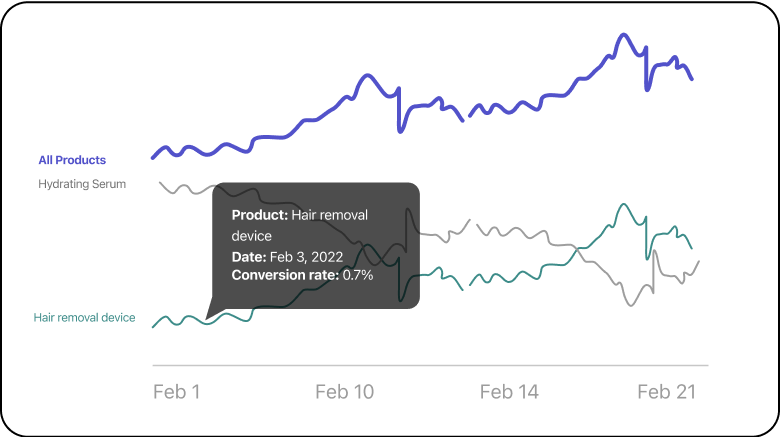
Trend Analysisqualitative performance trends
I analyzed categorical traits of best- and worst-performing Fermat shops and found that conversion success was heavily correlated with shop layout, influencer collaboration, product category.
Top performers
Influencer-led shops converted more consistently, especially with smaller, curated assortments.
Consumables consistently performed well
Shops with fewer products consistently converted better
Worst performers
Technical products underperformed without strong education and trust signals.
Apparel performed poorly unless it was paired with user-generated content.
Hero Bread was a top-performing Fermat shop that noted collaboration with a high-impact influencer was important to their conversion strategy.
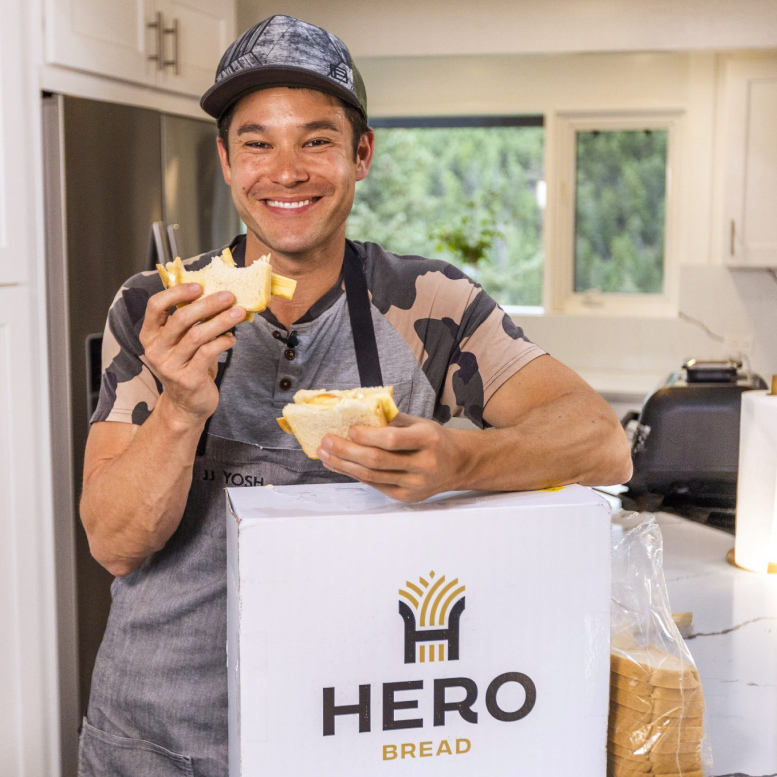
High impact affiliates
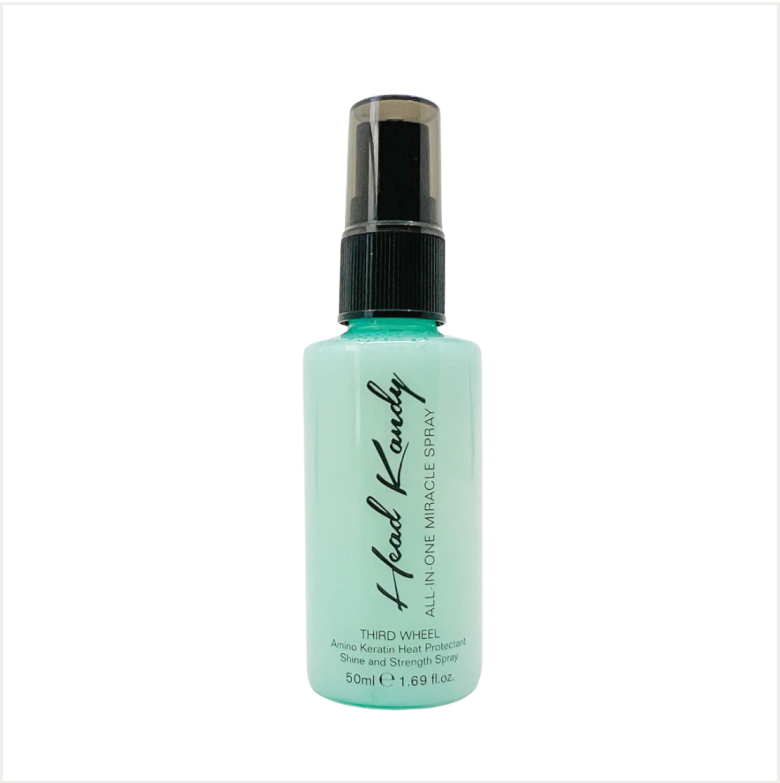
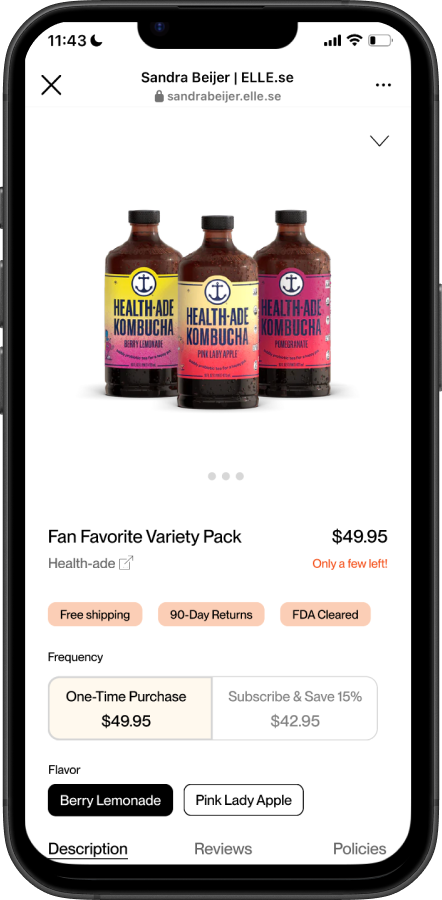
Head Kandy’s brand strategy focused on targeting repeat customers who are loyal to a particular consumable product and using upsell to increase AOV.
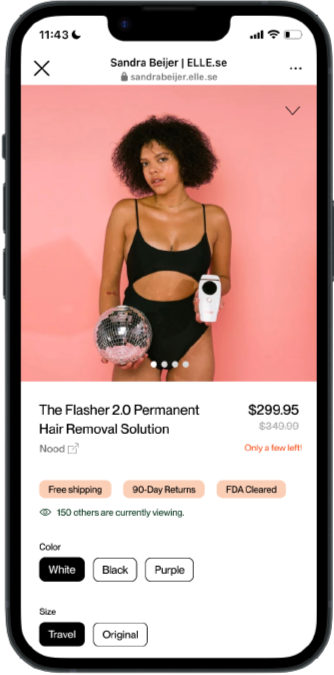
Nood, a hair removal device company, noted the importance of calling out particular product features such as FDA-approval and money-back guarantees.
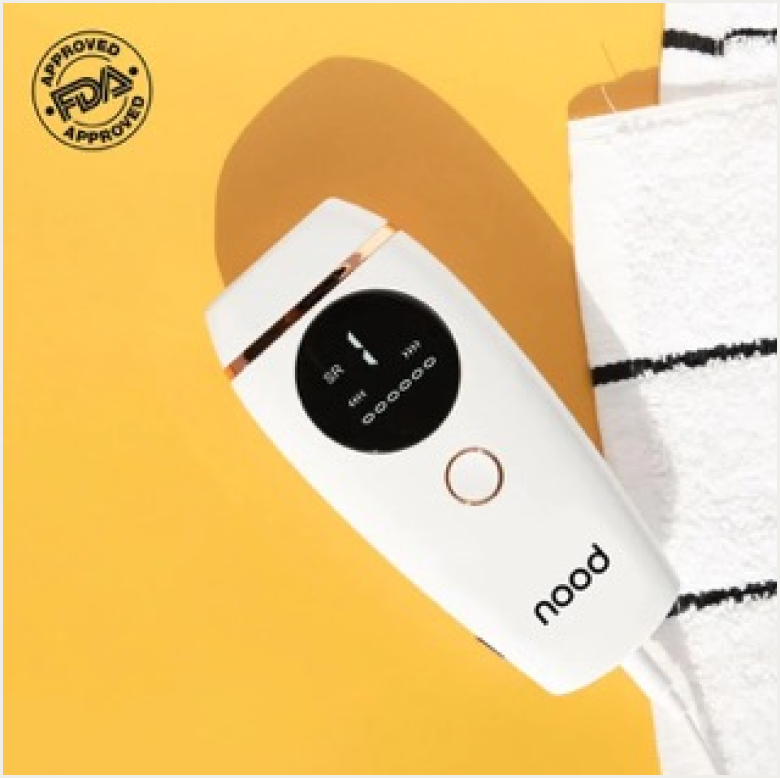
Emphasizing Product-Specific Features
Repeat Replenishment + Upsell
Stakeholder Interviewssupporting proven brand strategies
I conducted stakeholder interviews with business development partners and clients to understand gaps in the Fermat experience which differed from successful brand strategies.
user friction in the browse experience
Task Flow Testing + Heat Map Analysis
1 | Product detail pages lacked sufficient information
Task flow analysis showed that users frequently left Fermat shops to visit brand websites to find missing details:
72% sought fit or usage information
48% checked for discount codes
24% reviewed return policies
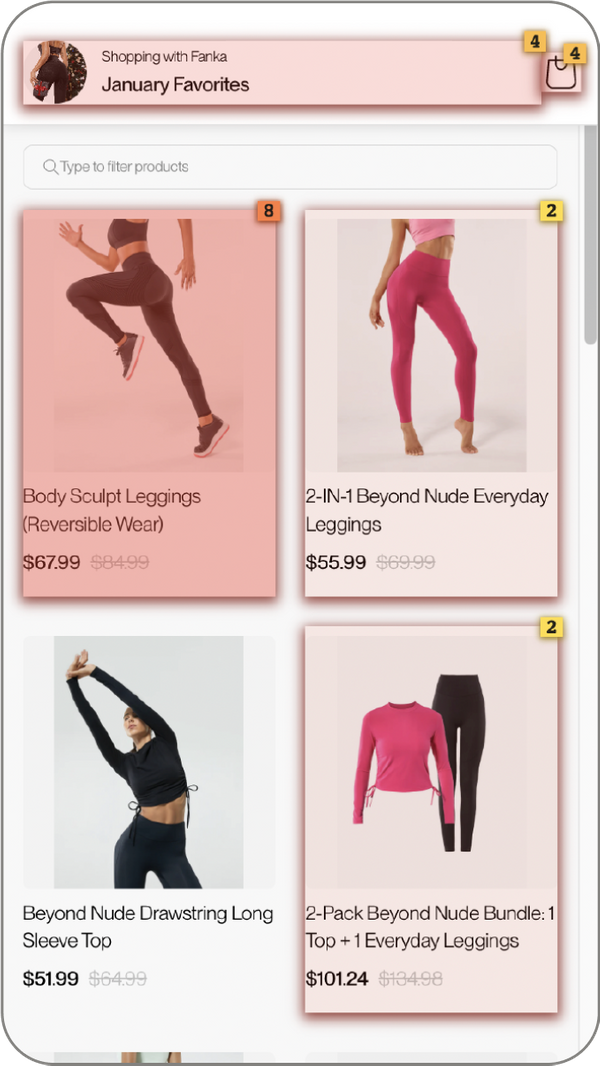
I analyzed user interactions across Fermat shops to understand end-consumer behavior and identify where the Fermat experience fell short in supporting browsing and purchase decisions.
2 | Users were interested in curation & recommendation
Heat map analysis showed that users engaged most with products surfaced through recommendations and visual signals:
60% selected products with promotional tags
36% chose items recommended in influencer content
48% clicked icons to explore additional recommended products

User PersonasAddressing Product Gaps for Window Shoppers
Synthesizing qualitative performance data, brand interviews, heat map analysis, and task flow testing led me to identify two distinct shopper types within Fermat shops: quick-buy and window shoppers.
I found that while Fermat shops were well suited to fast, low-friction purchases, they did not adequately support window shoppers who needed to browse, compare, and build confidence before buying.
Consumer type
Quick-buy
window shoppers
Shopping intentImpulse-driven, high intent
Typical categoriesKey driversEngagement patternsConsumables, replenishments, food, personal care
Passive, exploratory
Fashion, beauty, home goods, technical products
Speed, promotions
Context, trust signals, recommendations
Search, direct selection
Browsing, comparing, exploring
Final designs
Based on the research and iterative design process, the redesigned embedded shop experience enabled Fermat to meet and exceed its conversion goals.
Average PDP conversion exceeded 7.4%, surpassing the industry benchmark of 6%
Results were sustained over the three months following launch
Improvements applied across both product detail pages and browse experiences
Key learnings from this work became the foundation for Fermat’s consumer-facing UX strategy.
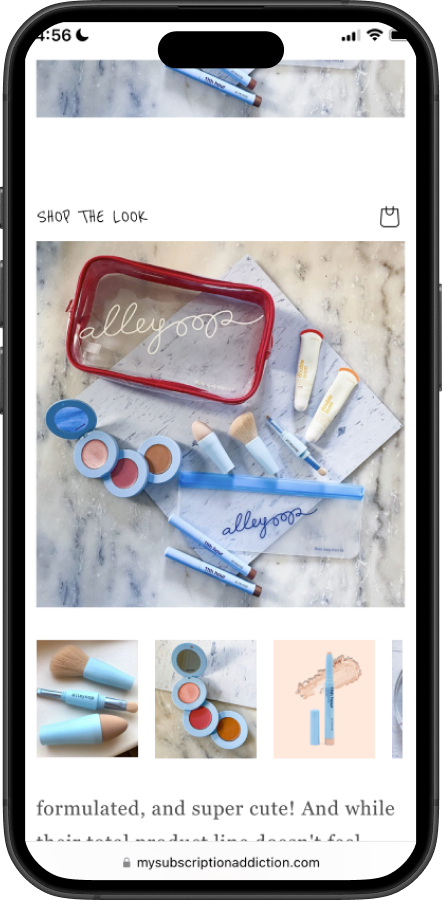
Curation
Users shopping from embedded social links favored guided, low-effort decision-making.
Browse-oriented users responded best to curated experiences rather than open-ended catalogs.
Quick-buy users converted 3× faster when products were surfaced through “Best Sellers” or “Previous Purchases.”
Branded video shops featuring tutorials increased conversion by 64% for complex or technical product categories (e.g., beauty, makeup).
Implication: Embedded shops should prioritize intelligent curation and surface high-confidence entry points to reduce cognitive load.
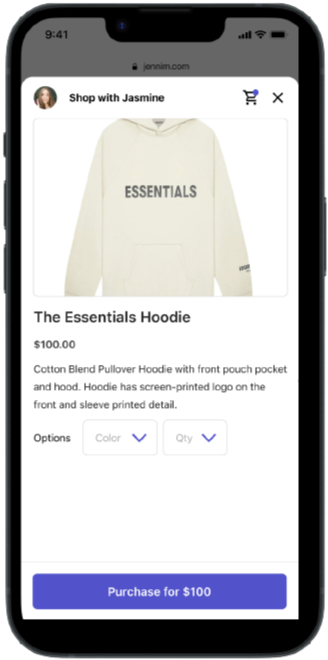
Original PDPiNFLUENCER CONNECTION
Influencer content played a nuanced role across the shopping journey.
For browse-oriented users, influencer recommendations enhanced product discovery and exploration.
Influencer content was most impactful earlier in the journey, during social media discovery rather than within the transactional flow.
Influencer video performed better as PDP imagery than as a standalone influencer shop experience.
Implication: Influencer content should support inspiration and validation within PDPs, rather than function as the primary shopping framework.
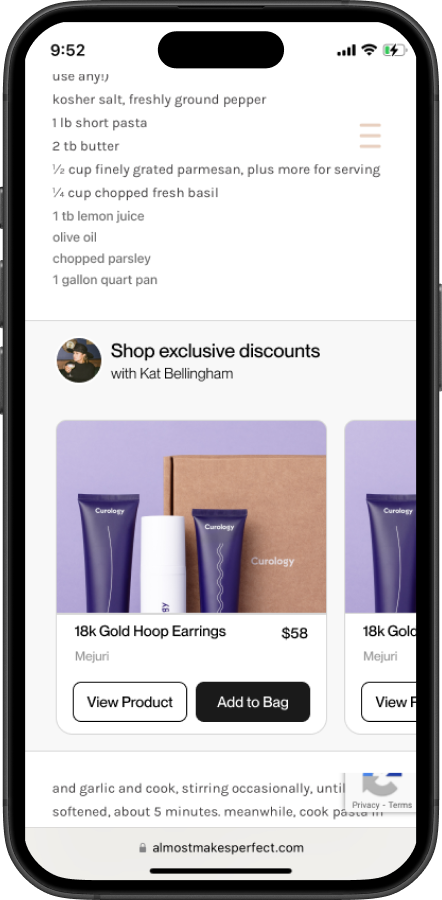
mODULARITY
Flexible, modular PDP components were critical to supporting Fermat’s diverse merchant base.
Text-based product “chips” highlighting key benefits allowed PDPs to adapt across industries and brand needs.
Rich product detail—including fit guides, technical specs, approval tags, and guarantees—was essential for building purchase confidence and intent.
Strong brand expression reinforced trust, kept users on-site longer, and elevated the perceived legitimacy of the shopping experience.
Implication: PDPs must be built from configurable components that balance brand expression with clear, scannable product information.

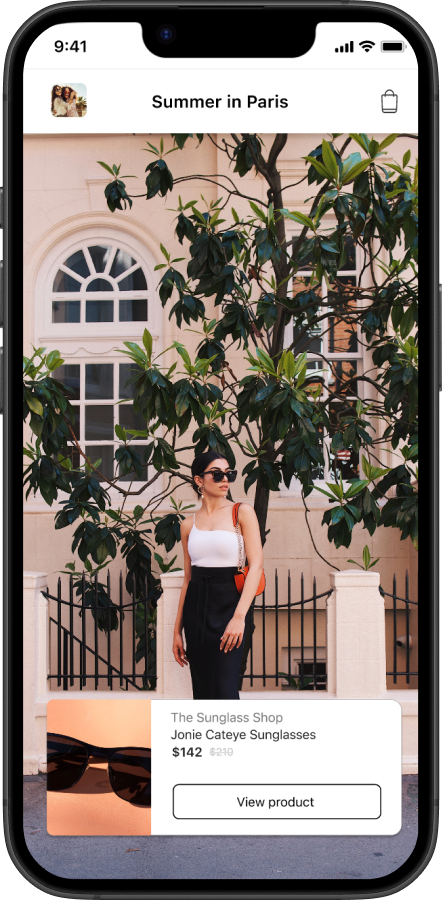
Optimized PDPContext

User challenge: mixed shopping intent in social contexts
Fermat shops are embedded directly within social media content, linking users to storefronts styled to match an influencer or brand. Users arrived in very different frames of mind depending on the content they were engaging with.
This created friction because:
Some users arrived with high purchase intent and wanted to buy quickly.
Others wanted to browse, compare products, and build confidence before purchasing.
The original experience favored quick purchases and did not support exploratory shopping well.
Business Challenges
Conversion rates varied significantly across Fermat shops, with some performing as low as 0.3% CVR. This variability made it difficult for Fermat to scale consistently across clients and categories.